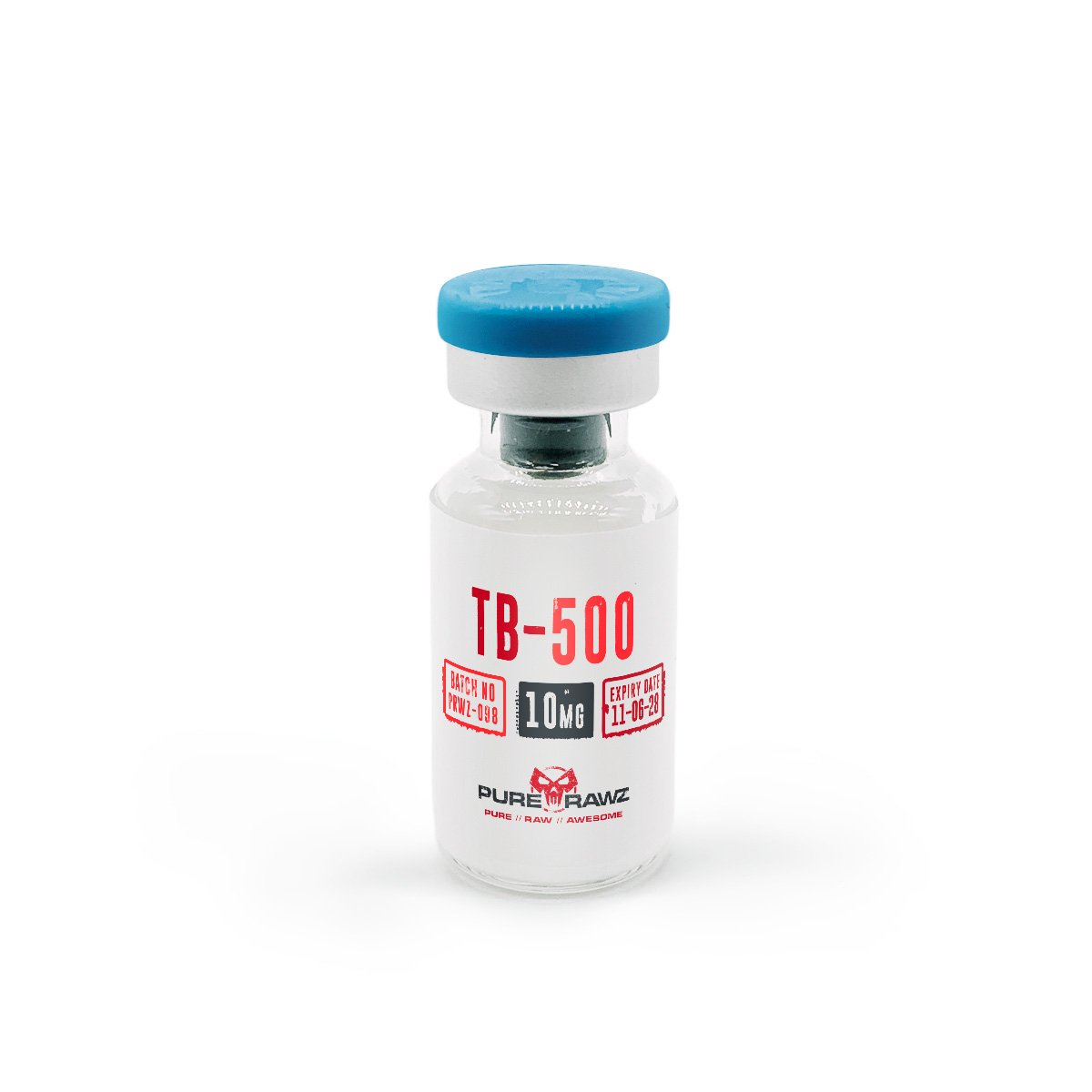
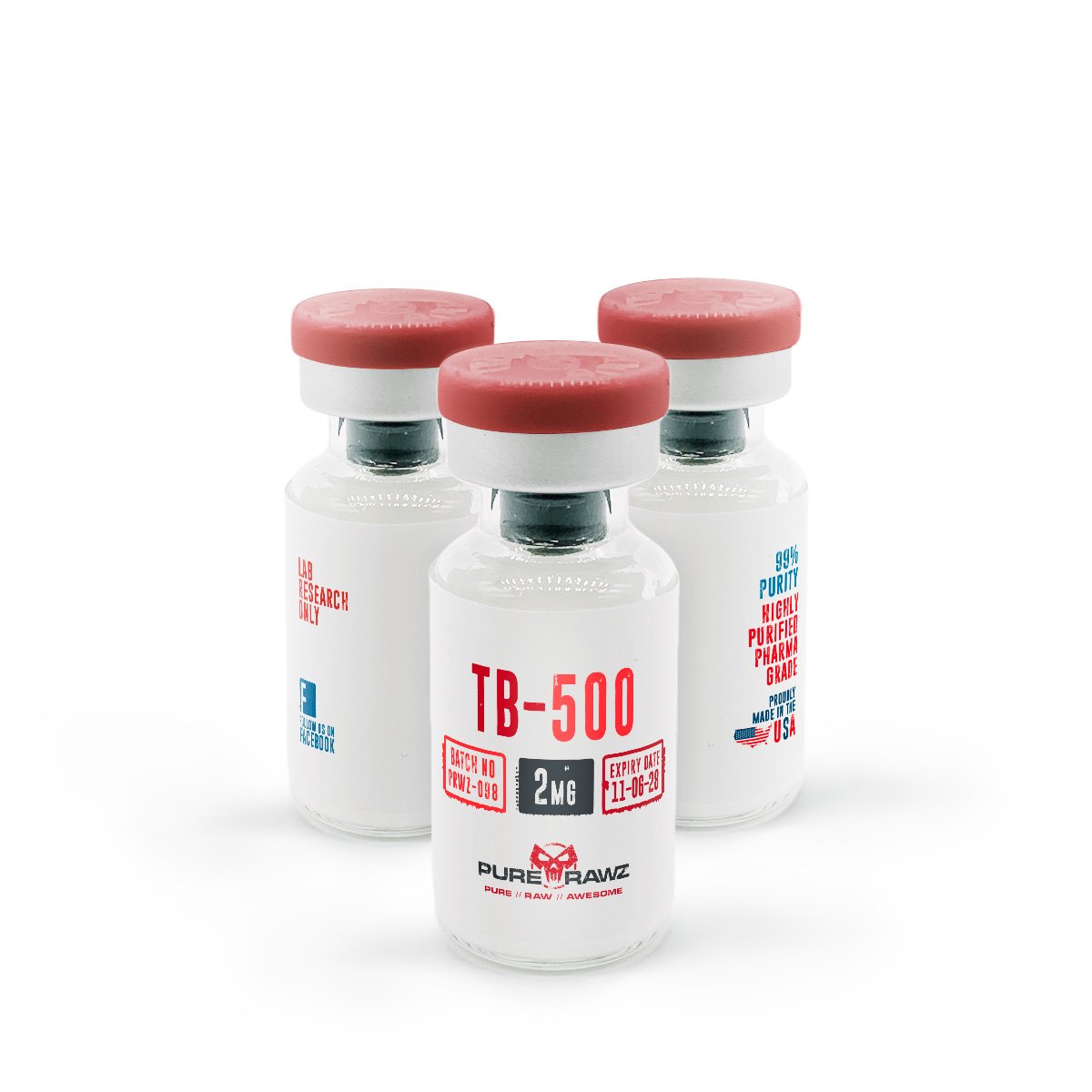
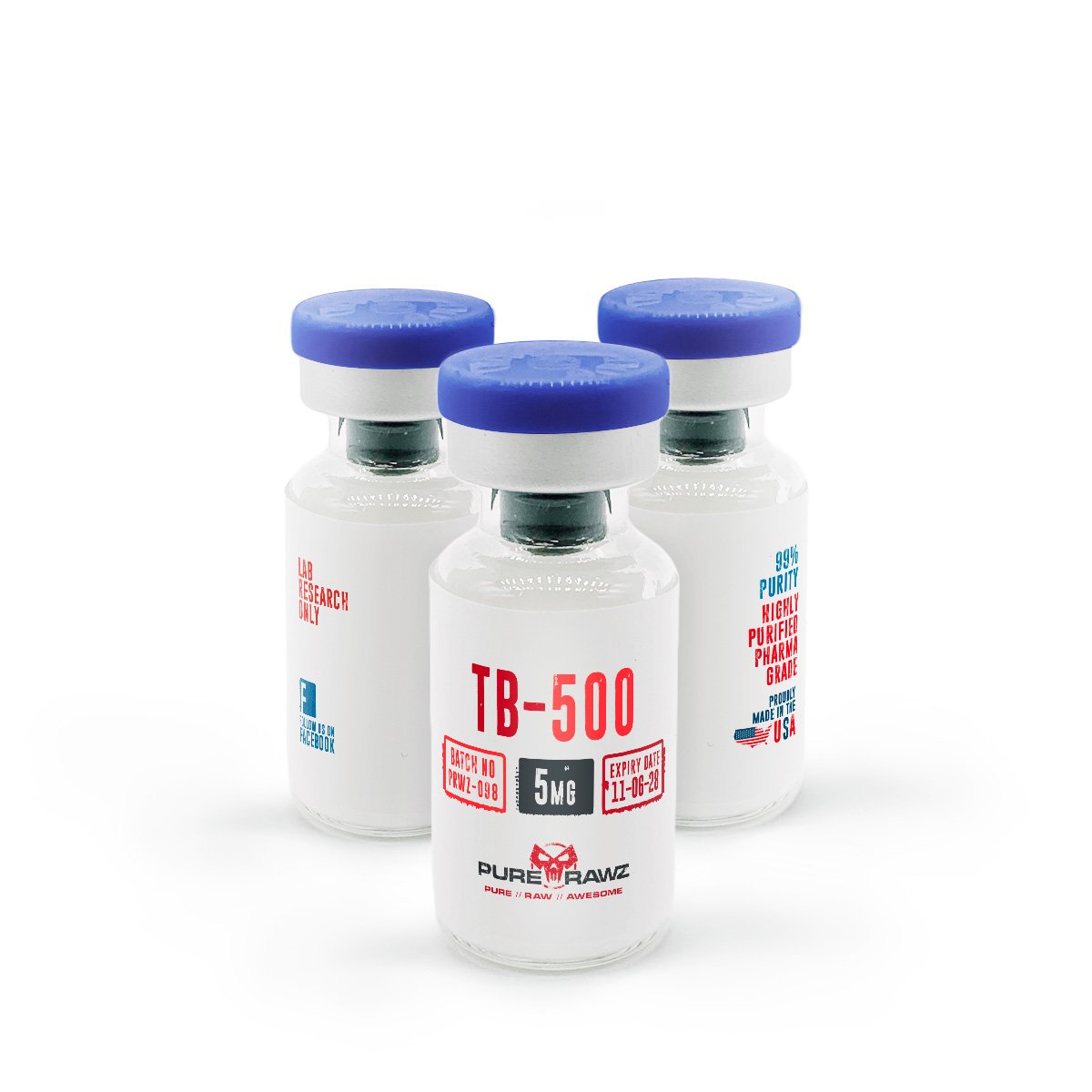
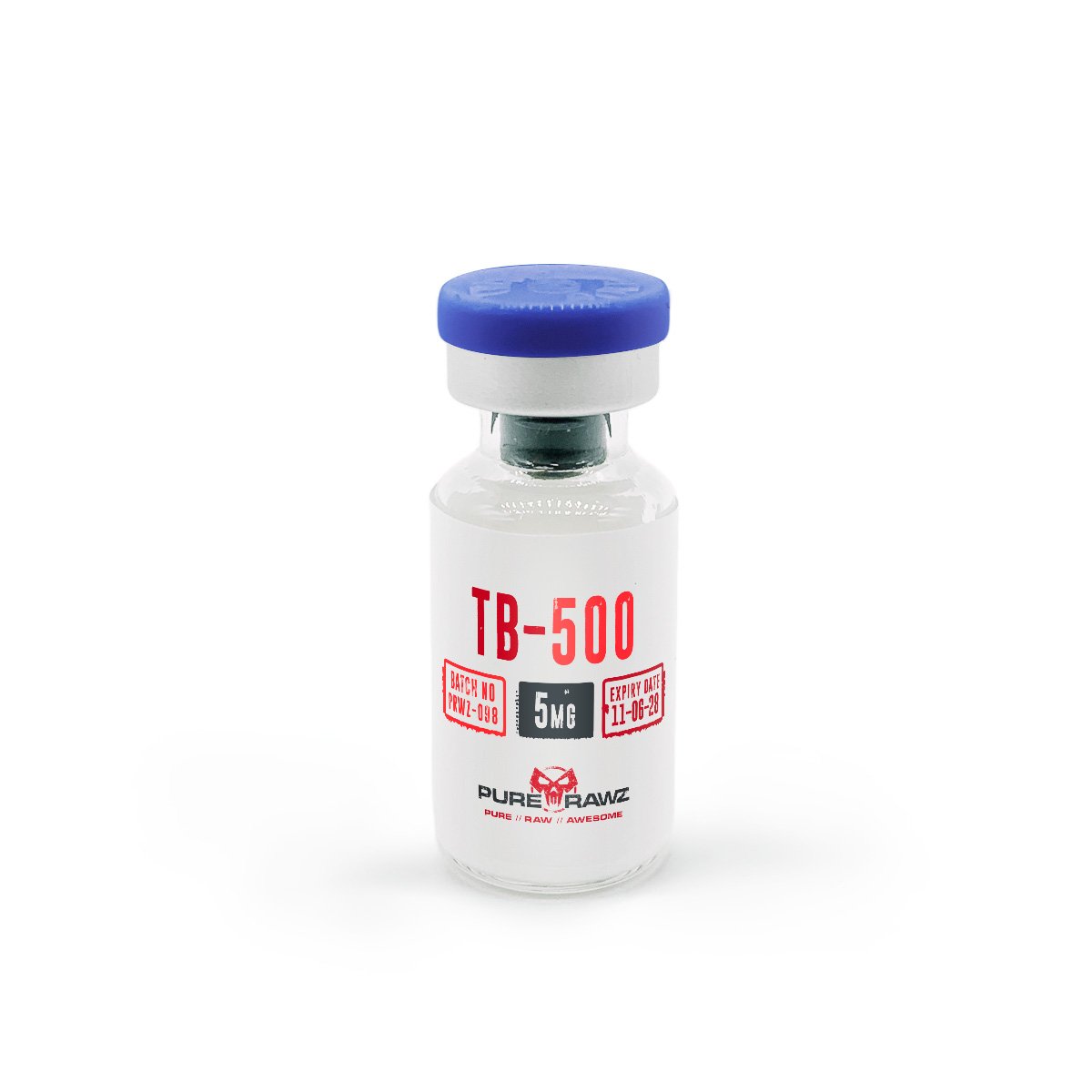
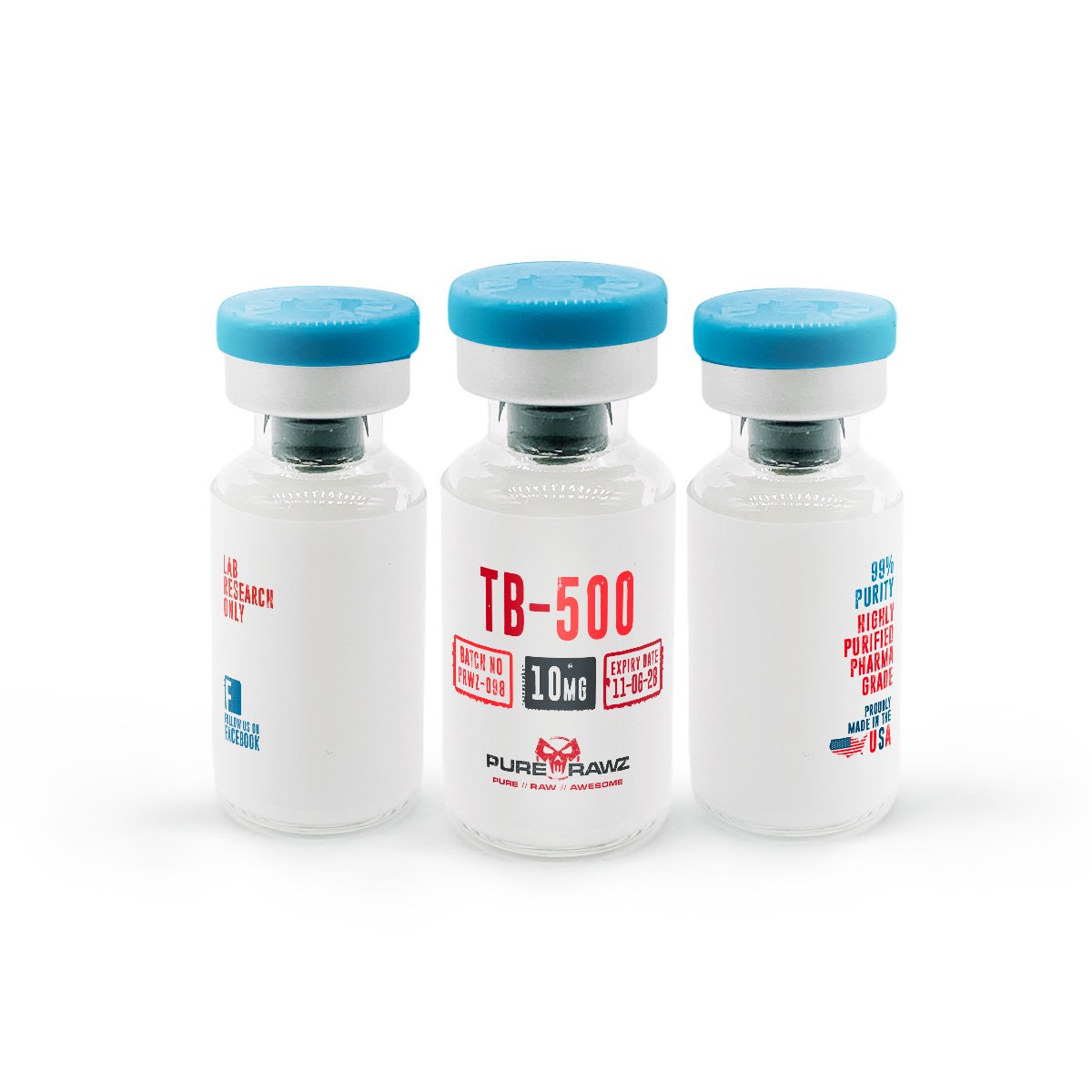
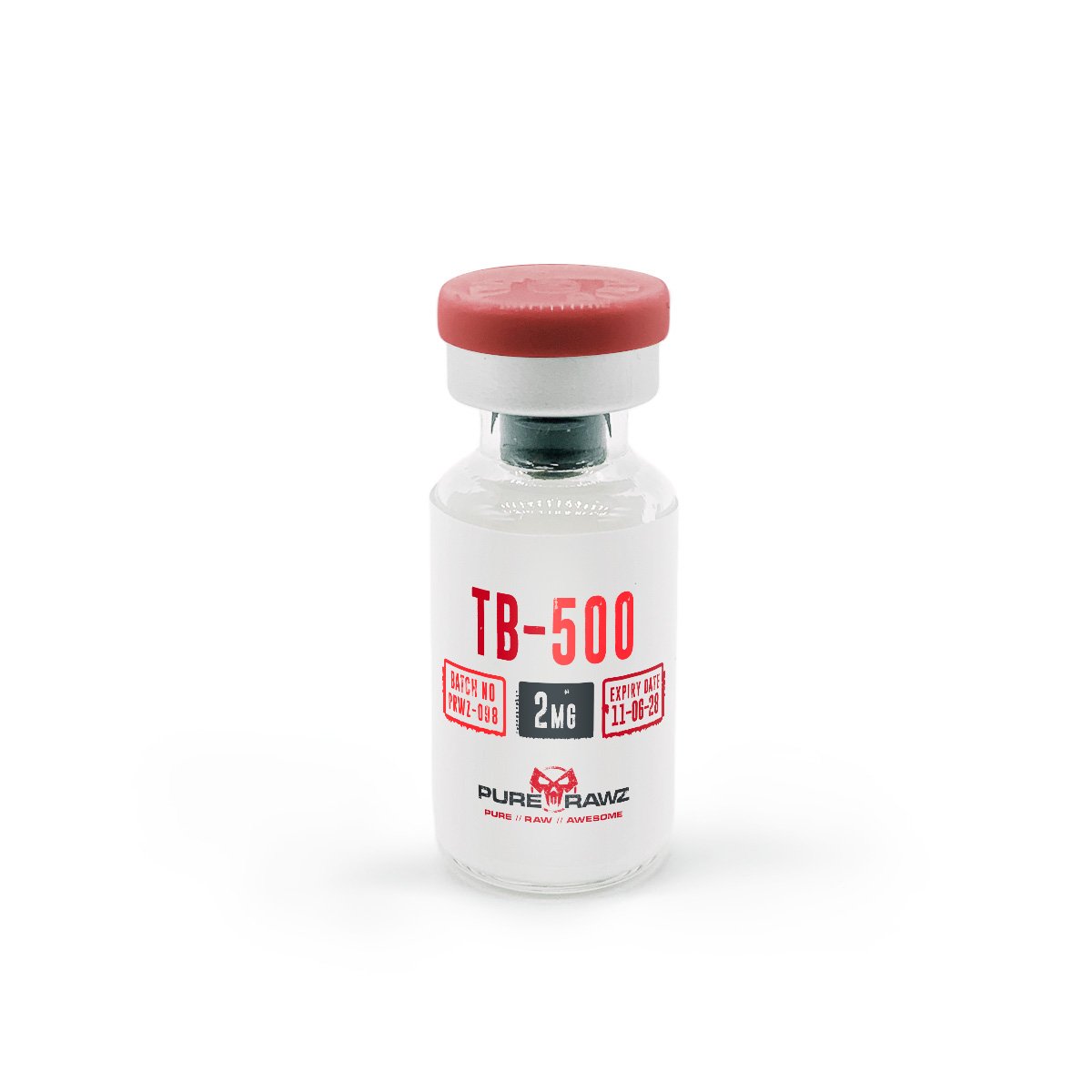
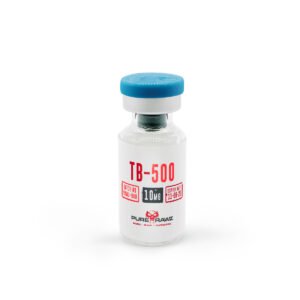
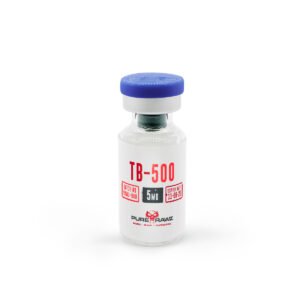
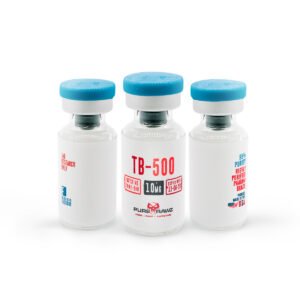
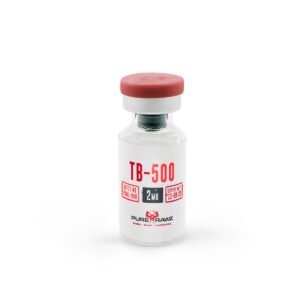
Thymosin Beta-4
$47.14
- 1st and 3rd Party Verified for 99% Purity
- Free Shipping on Orders Over $100+
Overview of TB-500
TB-500 is a synthetic research peptide commonly associated with thymosin beta-4 (Tβ4). TB-500 often refers more loosely to a synthetic analog or fragment associated with Tβ4, creating nomenclature ambiguity.
The actin-binding region of thymosin beta-4 has been investigated in preclinical research for its role in cytoskeletal dynamics, directed cell migration, and angiogenesis-related signaling.
Thymosin beta-4 is a naturally occurring 43-amino-acid polypeptide involved in actin regulation. TB-500 is commonly described as a synthetic peptide derived from the actin-binding region of thymosin beta-4, although the term ‘TB-500’ has been used inconsistently in the scientific literature and commercial products.
Mechanism of Action of TB-500
TB-500 has been studied in laboratory and in vitro research for its interaction with actin, a structural protein involved in cytoskeletal organization. Evidence is primarily derived from thymosin beta-4 studies.
Full-length Tβ4 clearly binds G-actin. However, evidence that the isolated 7-aa peptide TB-500 reproduces the full actin-binding function is limited. Most cited action studies used full-length Tβ4, not TB-500 itself.
Evidence from thymosin beta-4 studies suggests that this actin-binding region may influence cytoskeletal remodeling in experimental systems.
Chemical and Molecular Properties
| Property | Value |
| CAS Number | 885340-08-9 |
| Molecular Formula | C₃₈H₆₈N₁₀O₁₄ |
| Molecular Weight | 889.0 g/mol |
| IUPAC Name | L-Glutamine, N-acetyl-L-leucyl-L-lysyl-L-lysyl-L-threonyl-L-α-glutamyl-L-threonyl- |
| UNII | QHK6Z47GTG |
| PubChem CID | 62707662 |
| Typical Purity | ≥95% (HPLC verified) |
| Physical Form | Lyophilized white to off-white powder |
| Solubility | Sterile water (primary); DMSO (application-specific) |
| Storage | −20°C, desiccated, protected from light and moisture |
| Classification | Research Use Only (RUO) |
Possible Research Applications of TB-500 in Research Settings
- G-actin sequestration assays and G-actin/F-actin polymerization balance studies in cell-free biochemical systems
- Cytoskeletal remodeling investigation in endothelial and epithelial cell culture models
- Directed cell migration mechanistic studies using the in vitro scratch assay and transwell migration frameworks
- Structure–activity relationship (SAR) studies on thymosin beta-4 fragment derivatives and actin-binding motif variants
- Reference compound for competitive peptide-actin interaction characterization and analytical method development
Why Buy TB-500 from Purerawz?
We prioritize transparency, quality assurance, and scientific integrity in all research-use products. Product information is presented using available analytical data, clear documentation, and standardized handling guidelines to support reproducibility in laboratory settings.
FAQs
What is the actin-binding motif LKKTETQ?
LKKTETQ (Leu-Lys-Lys-Thr-Glu-Thr-Gln) is the specific seven-amino-acid sequence at positions 17–23 of thymosin beta-4, representing the minimal active region implicated in G-actin sequestration in preclinical research. In TB-500, this sequence is N-acetylated at the leucine terminus (Ac-LKKTETQ), which confers proteolytic stability relevant to in vitro laboratory applications.
Is TB-500 FDA-approved for human use?
No. TB-500 is not FDA-approved for human or veterinary therapeutic use. No Investigational New Drug (IND) application has been filed for TB-500, and it has not undergone FDA-regulated clinical trials.
What is TB-500, and how does it differ from thymosin beta-4?
TB-500 is a synthetic research peptide commonly associated with thymosin beta-4 (Tβ4). It is often described as an N-acetylated heptapeptide corresponding to amino acids 17–23 of Tβ4, although the term “TB-500” has been used inconsistently in the scientific literature and commercial products. Unlike full-length Tβ4, TB-500 represents only a peptide fragment used in preclinical research.
How should TB-500 be stored to maintain research integrity?
Lyophilized TB-500 is typically stored at −20°C in dry, light-protected, desiccated conditions.” OR “Based on standard peptide handling practices, lyophilized TB-500 should be stored at −20°C in dry, light-protected, desiccated conditions.
Disclaimer:
All products sold by PureRawz are intended for laboratory and research purposes only and are not approved for human consumption, veterinary use, or any other use. Products are not evaluated by the FDA and are not intended to diagnose, treat, cure, or prevent any disease. Customers assume full responsibility for the lawful use of these products in accordance with all applicable federal, state, and local regulations.
Reference Links
- Esposito, S., Deventer, K., Goeman, J., Van der Eycken, J., & Van Eenoo, P. (2012). Synthesis and characterization of the N-terminal acetylated 17–23 fragment of thymosin beta 4 identified in TB-500, a product suspected to possess doping potential. Drug Testing and Analysis, 4(9), 733–738. https://doi.org/10.1002/dta.1402
- McGuire, F., Hughes, E., Maak, T., & Cushman, D. M. (2026). Thymosin beta-4 and TB-500 in tissue healing, regeneration, and musculoskeletal repair: A scoping review. Applied Sciences, 16(12), 6202. https://doi.org/10.3390/app16126202
- World Anti-Doping Agency. (2026). Prohibited list 2026. Montreal, Canada: WADA.
➡ Best citation for WADA banned status (not PubMed, but authoritative for regulatory claim).
WADA Prohibited List - Sanders, M. C., Goldstein, A. L., & Wang, Y. L. (1992). Thymosin beta 4 (Fx peptide) is a potent regulator of actin polymerization in living cells. Proceedings of the National Academy of Sciences, 89(10), 4678–4682. https://doi.org/10.1073/pnas.89.10.4678
Related Products
Browse more in Peptide Spray.
All products are for LABORATORY AND RESEARCH PURPOSES ONLY, not for veterinary or human use.
| Form | Nasal Spray, Peptide, Sublingual Tablets |
|---|---|
| Strength | 100mcg/spray = 10mg total, 2mg, 5mg, 10mg, 500mcg/15ct/7.5mg, 500mcg/30ct/15mg |
Related products

Peptides

Peptides
Peptide Spray
Peptide Spray
Peptides
Sprays
Peptide Unconstituted